“Workshop series: (re)gaining creative power” in Šiauliai and Panevėžys
In October, (AV17) Gallery continued its project “Workshop series: (re)gaining creative power” designed for individuals with disabilities, involving young people aged 12–29 and up to 60 years old adults. In previous years, workshops held in Vilnius and Kaunas received positive feedback from both participants and the specialists working with them; therefore, this year the project has expanded, with creative activities being organized in Šiauliai and Panevėžys.
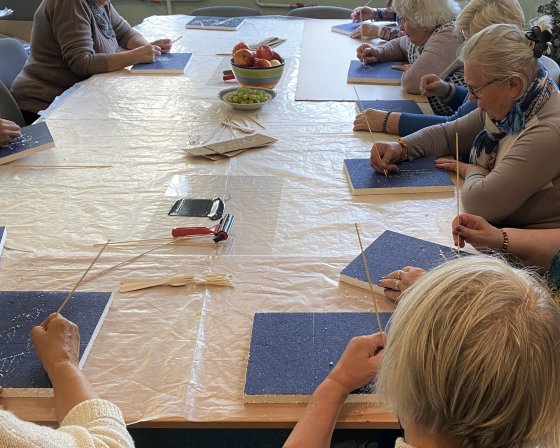
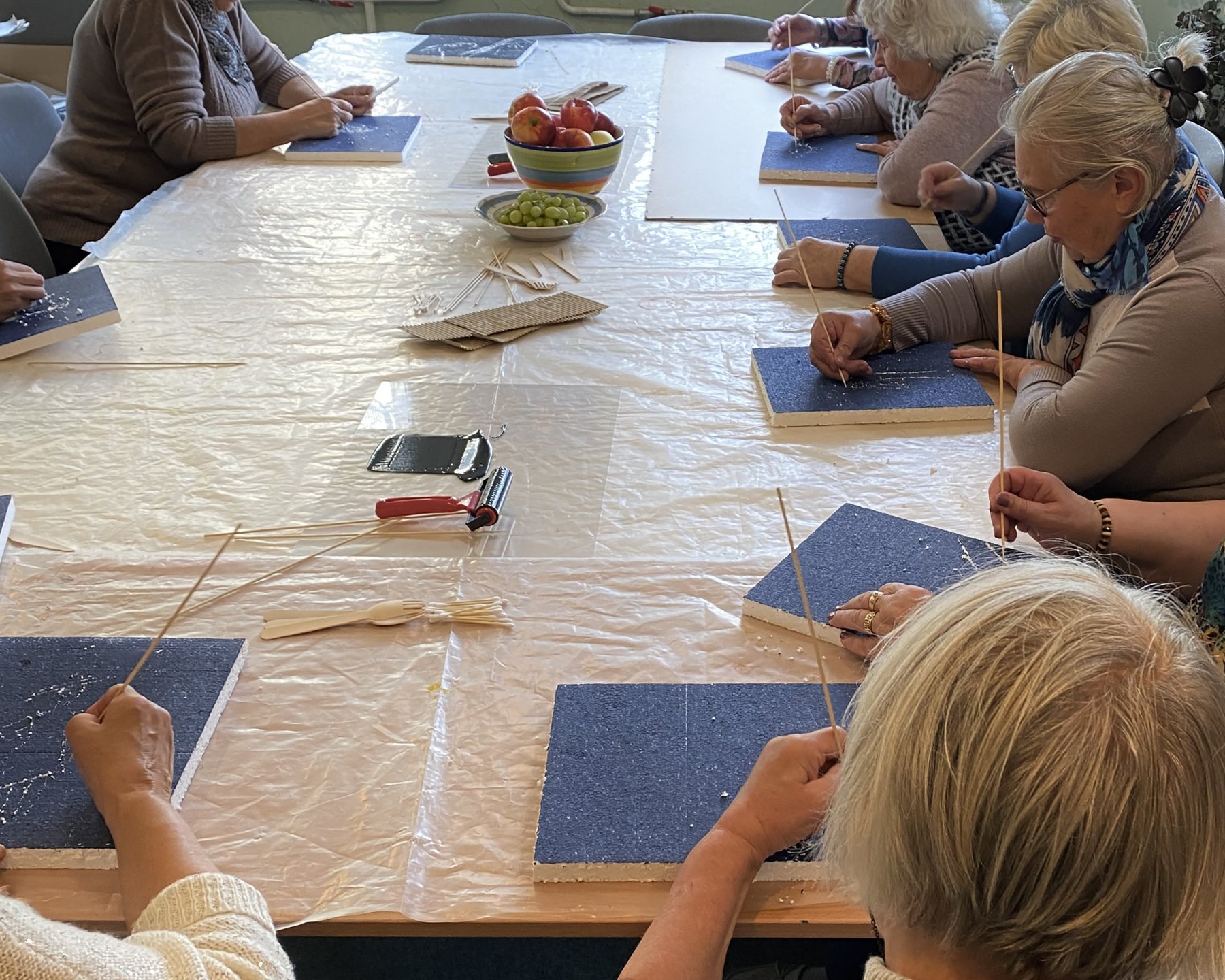
In Panevėžys, the workshops took place from October 5 to 14 at the Panevėžys Disability Integration Center, and in Šiauliai it was held from October 15 to 23 at the institutions “Šiaulių viltis” and “Šiaulių lietaus vaikai.” During the sessions, participants explored various creative techniques alongside professional artists and art therapists, getting acquainted with different forms of contemporary art.
The workshops focused on sculpture, object art, photography, ceramics, painting, printmaking, and the ready-made principle. Using simple, accessible materials and everyday items, the creative process was adapted for people of diverse abilities and backgrounds. The project aimed to introduce participants to contemporary art practices, encourage self-expression and community engagement, and provide opportunities to express emotions through non-verbal means.
Workshops were led by five creators from various disciplines.
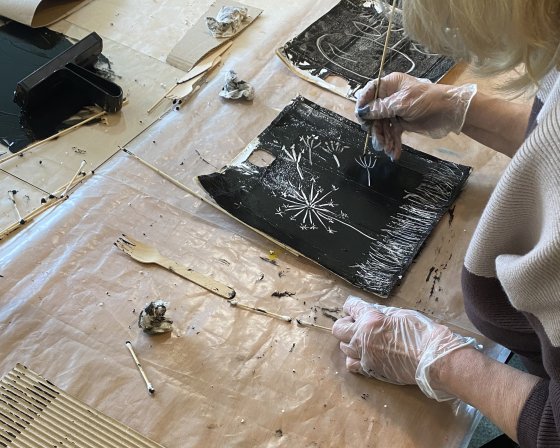
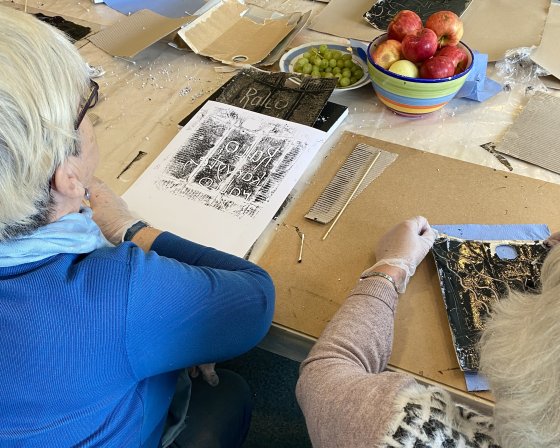
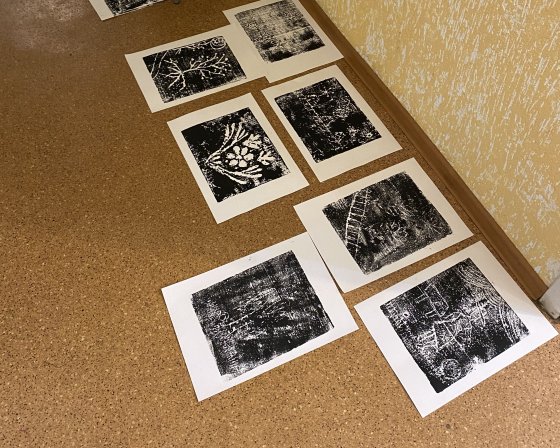
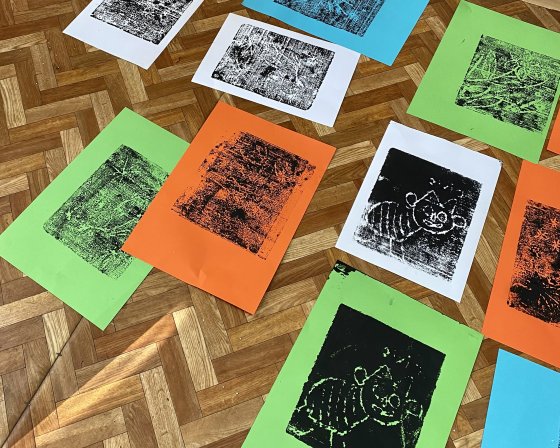
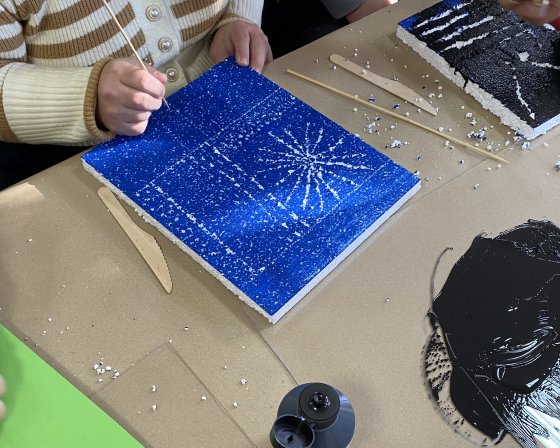
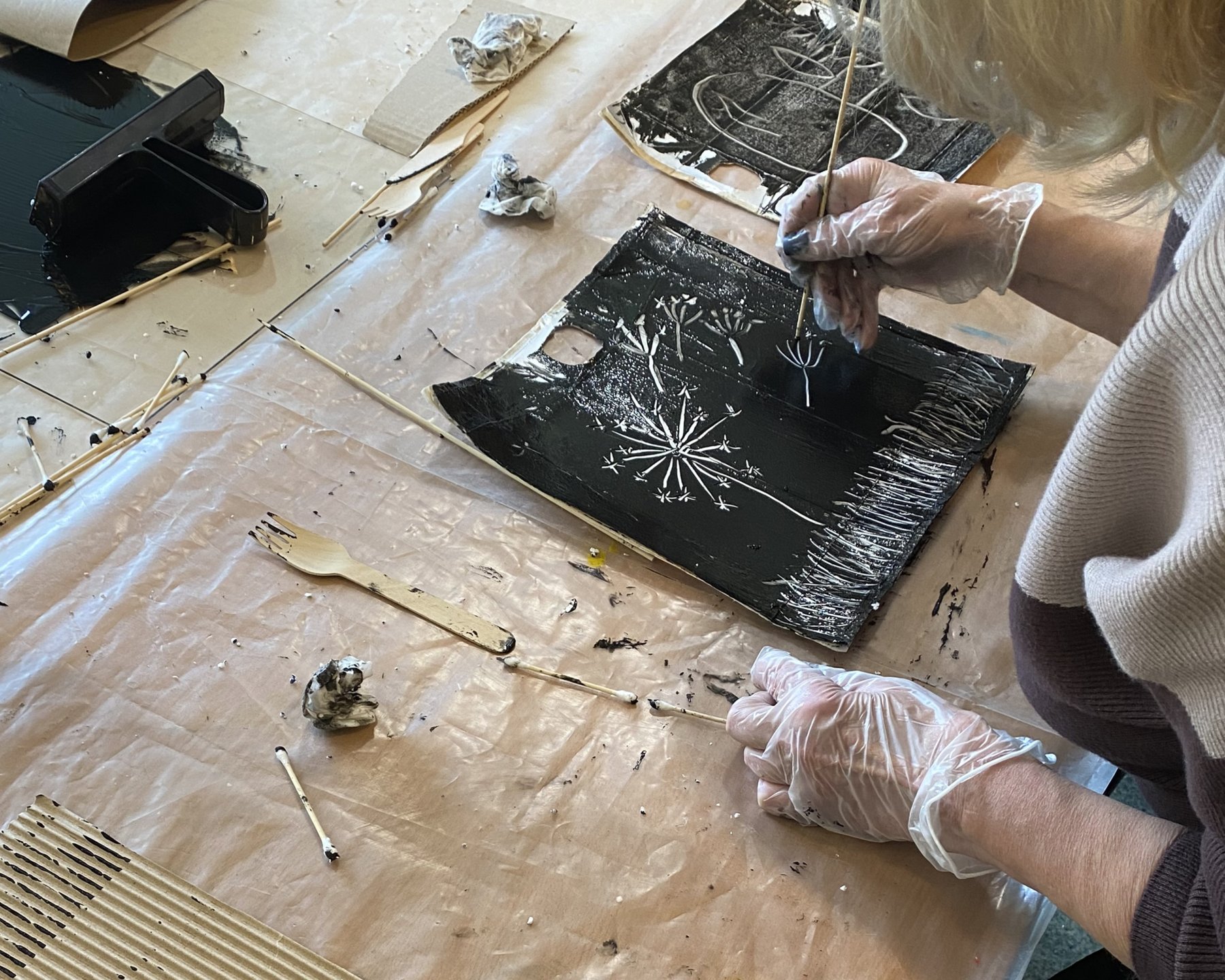
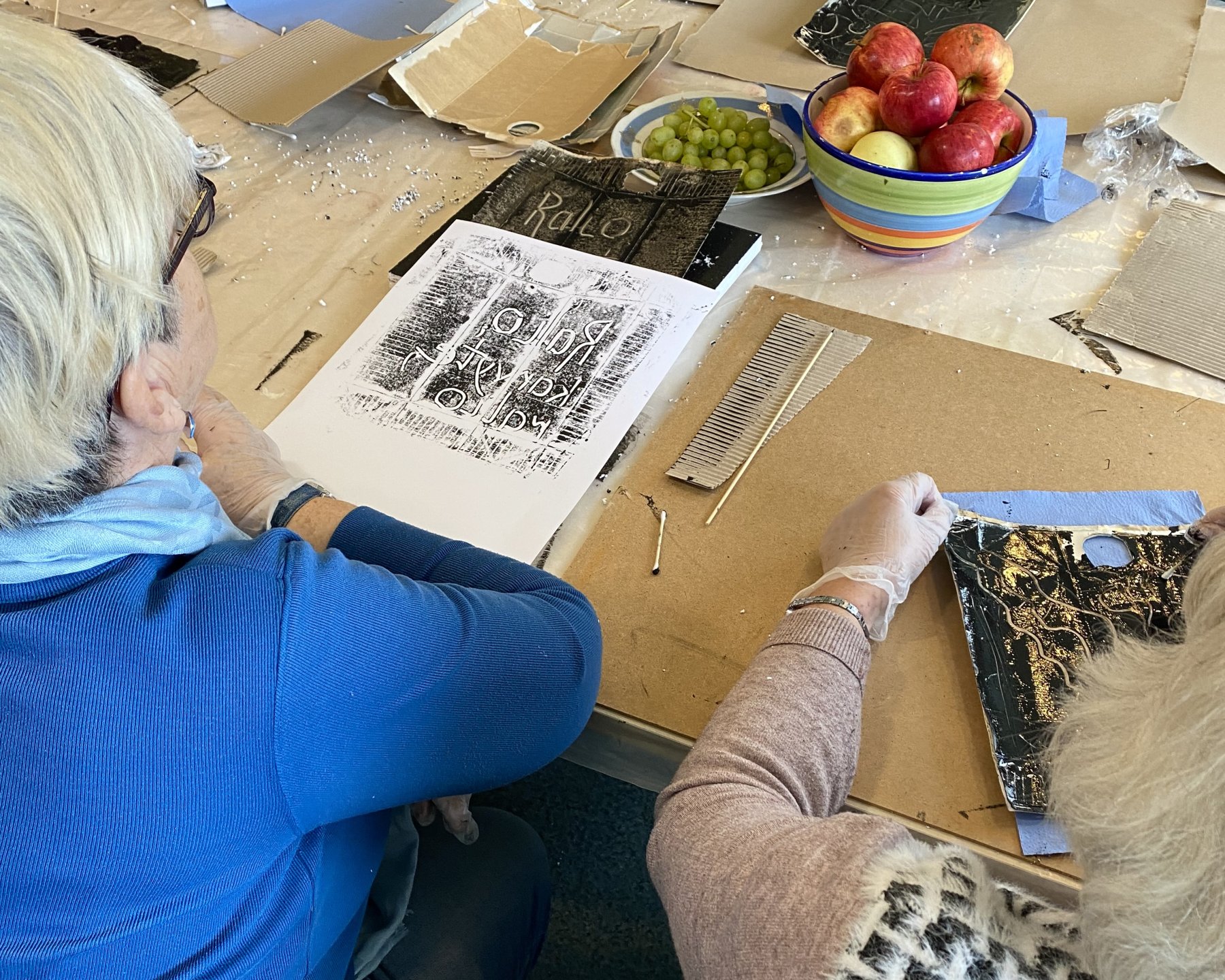
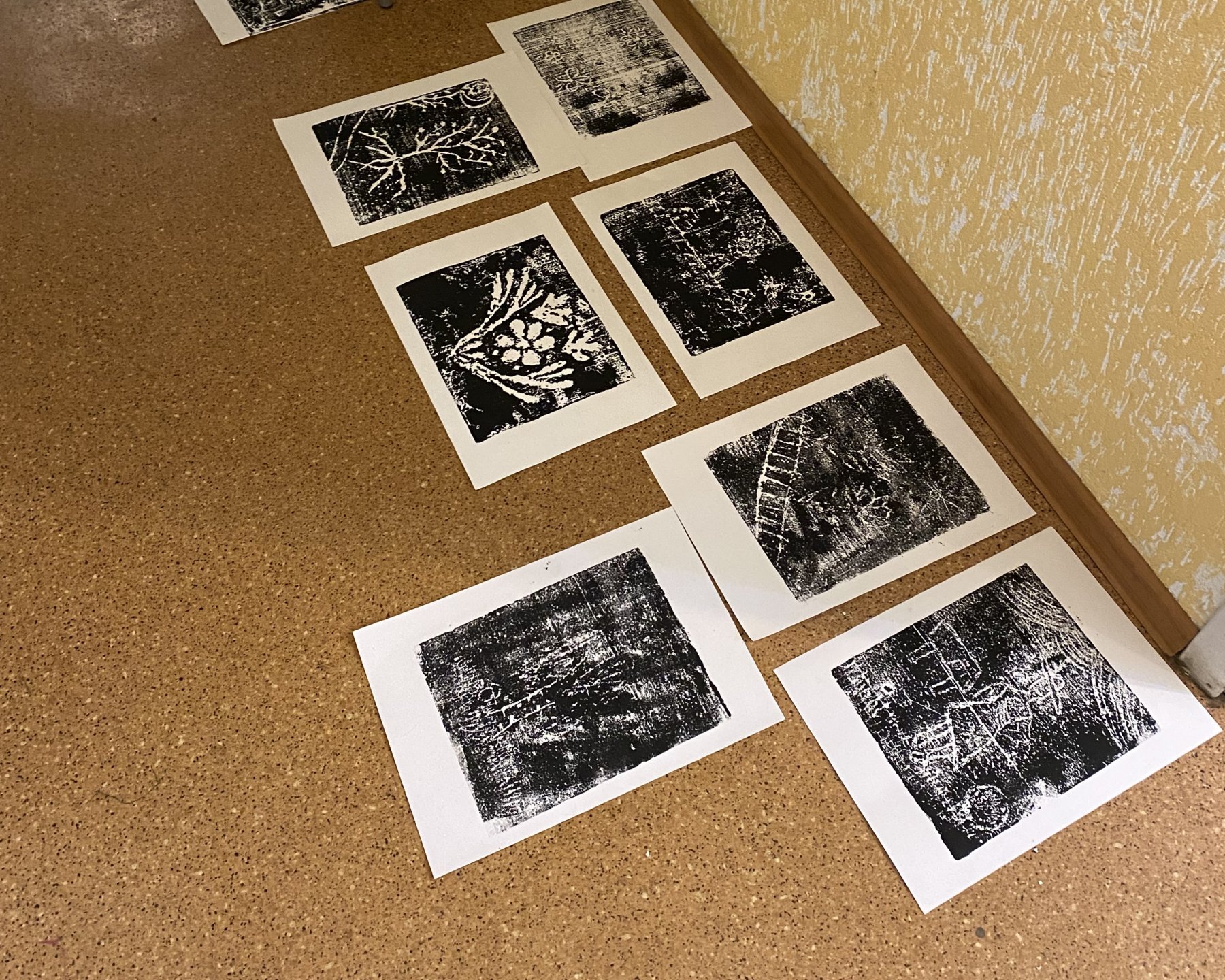
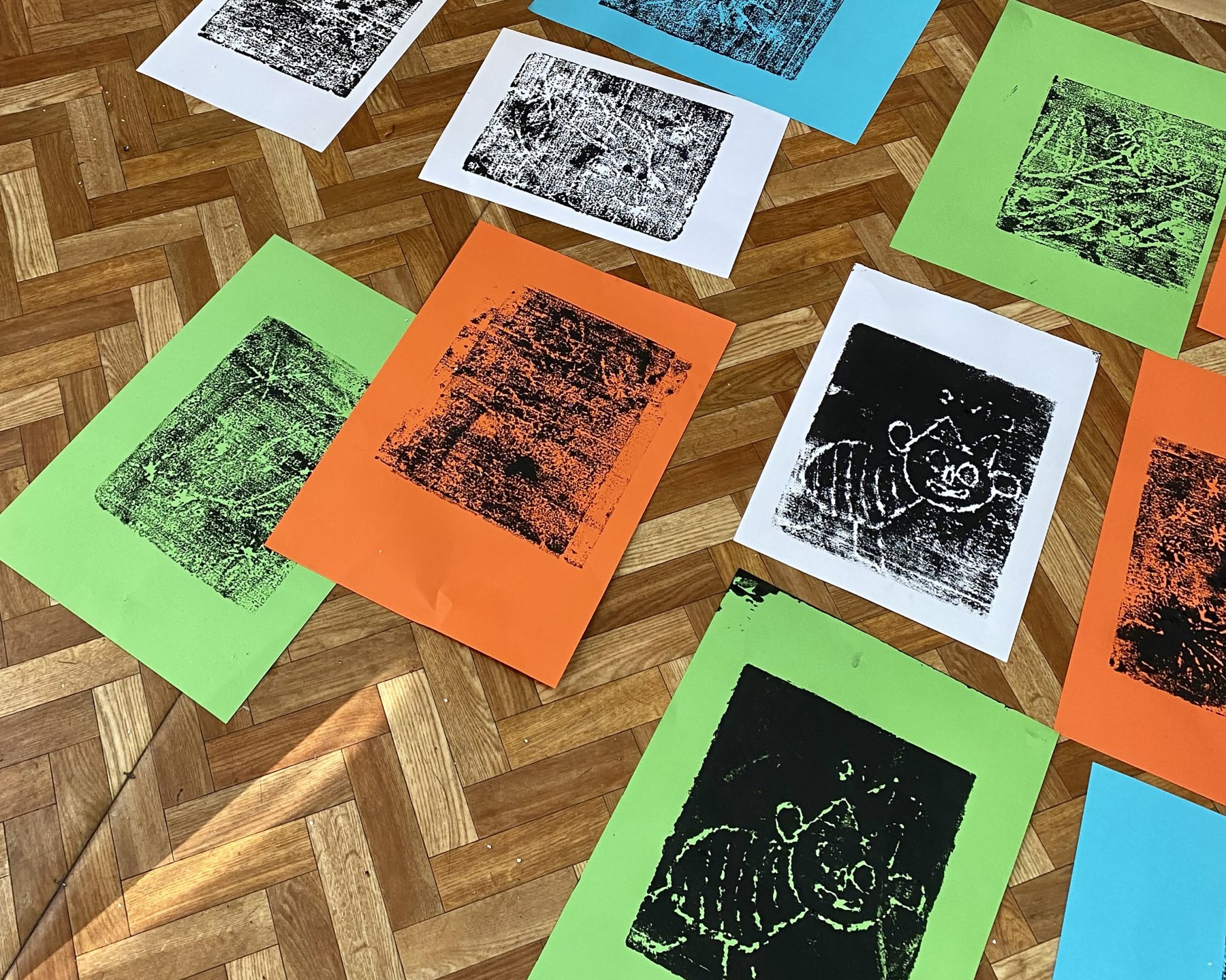
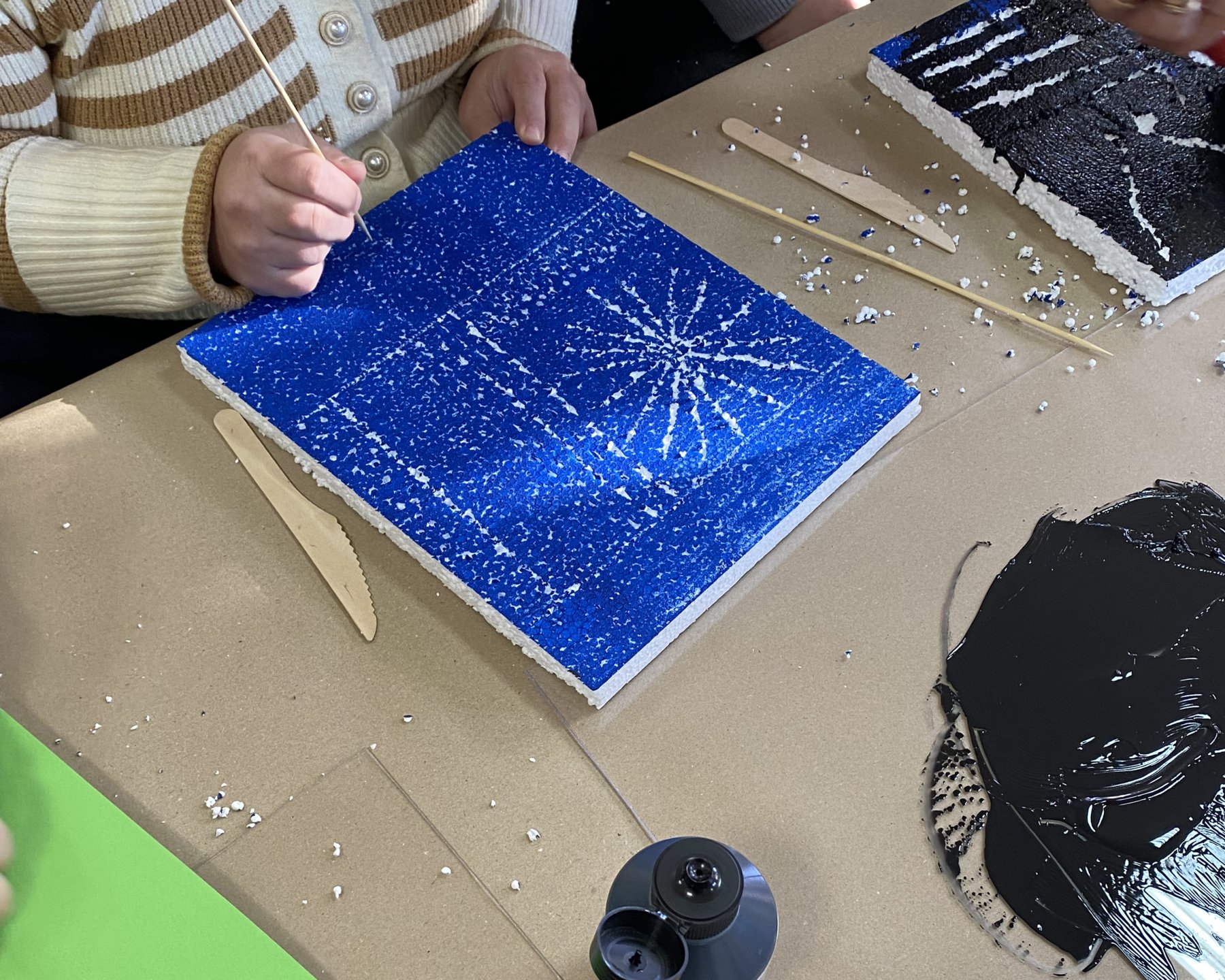
Jokūbas Griška introduced participants to the monoprint technique, inviting them to incorporate household objects and other materials into their work. By experimenting with different textures, participants learned to see everyday items as creative mediums, enhancing imagination, curiosity, and awareness of their surroundings.
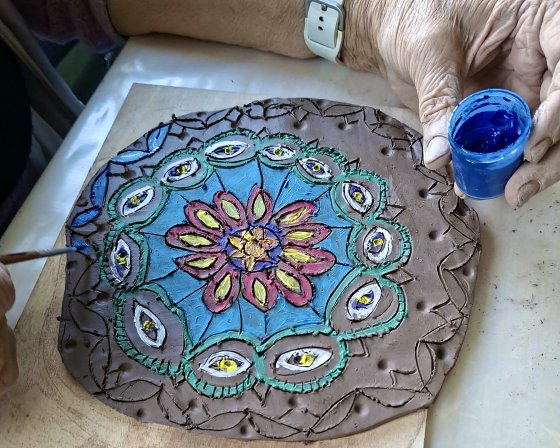
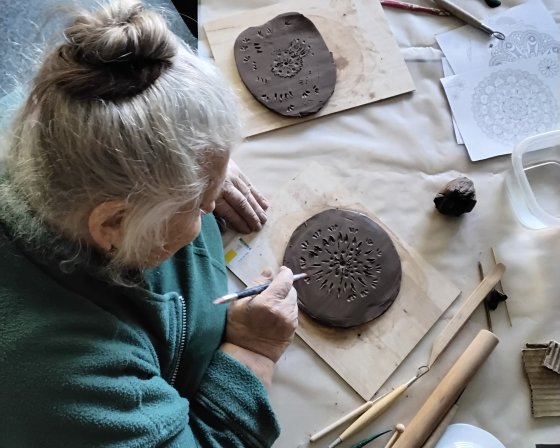
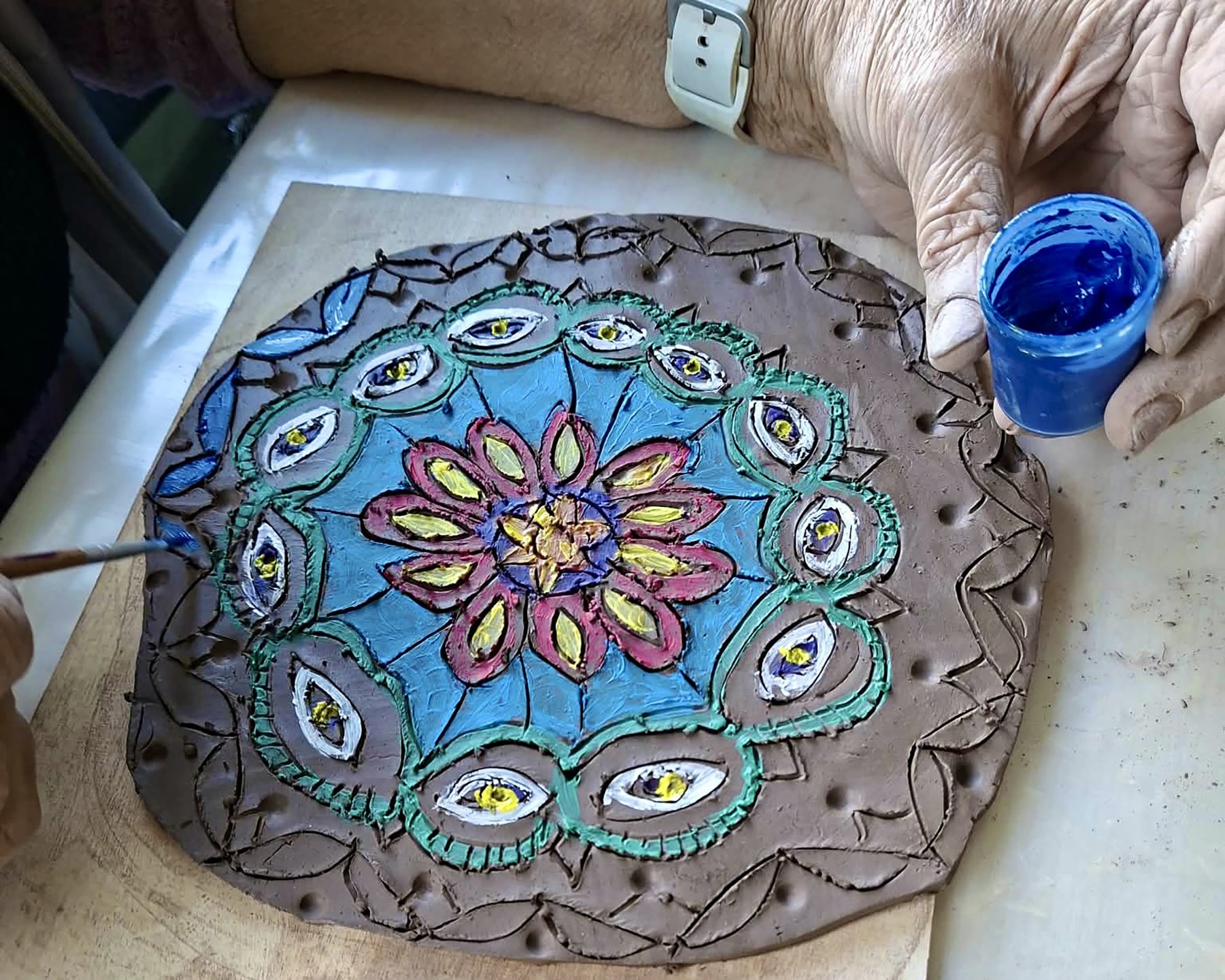
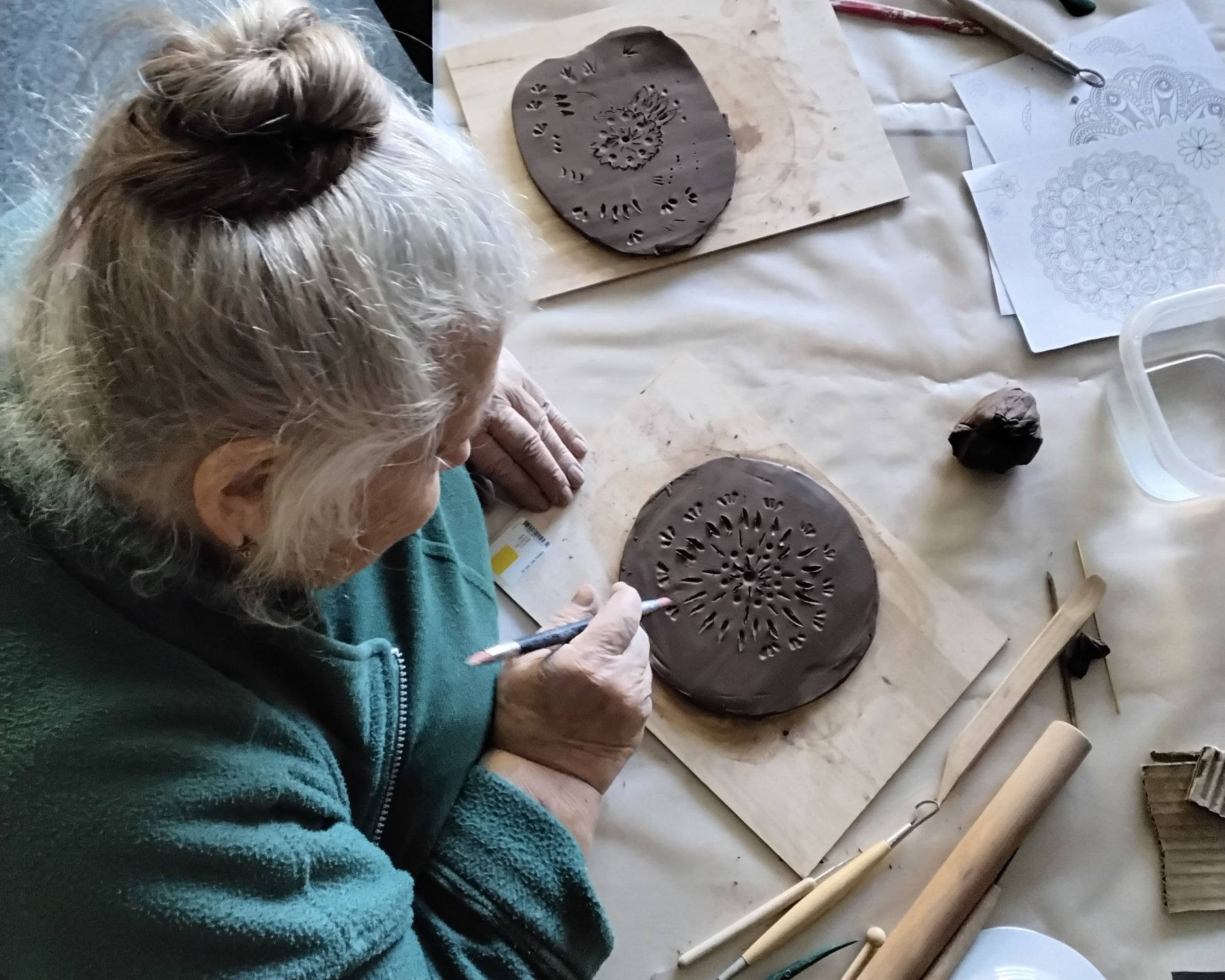
An artist and art therapist Neringa Zakarauskaitė used clay and intuitive sculpting. Participants created sculptural objects, focusing on form and tactile experience. The intuitive sculpting process helped express emotions that are not always easy being put into words, strengthening the connection with body and oneself. Working with clay also develops sensory awareness and fosters creativity. Creation of an individual art object boosts self-confidence of the participants.
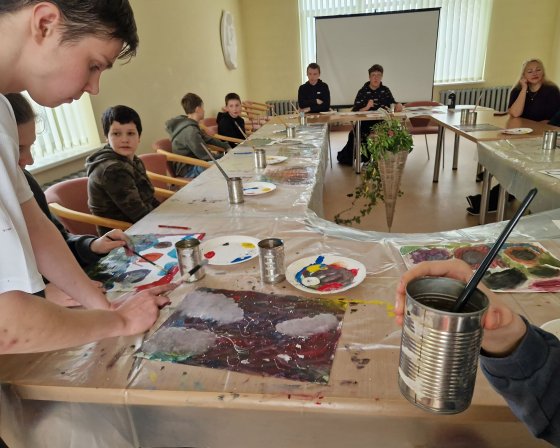
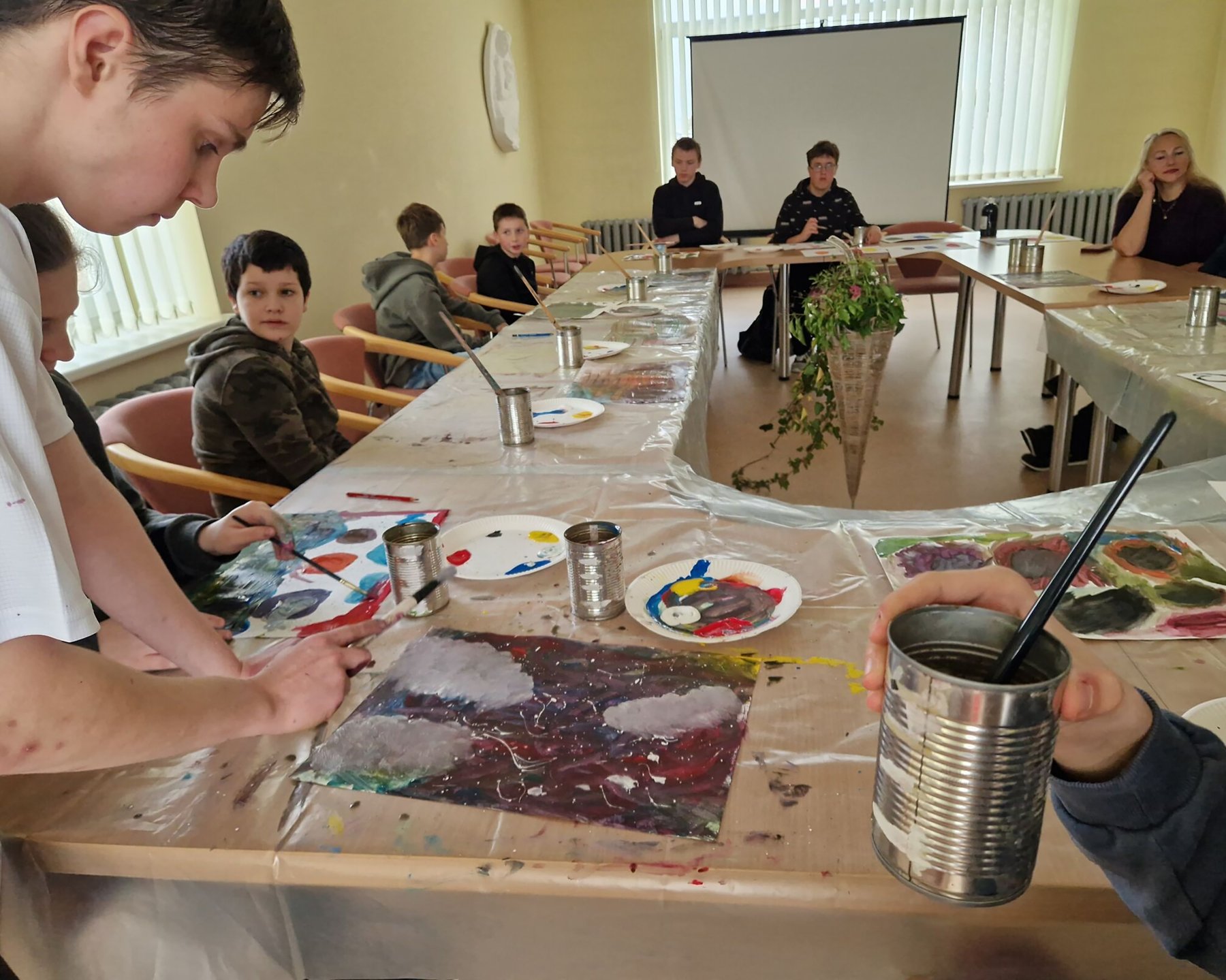
Agnė Jonkutė invited participants to express their mood through free-form drawing and capturing specific moments in pictures, which were later assembled into collages. At the end of the session, participants reflected together on the moods evoked by colors, emerging thoughts, and the overall creative process.
Photographer Gintas Kavoliūnas explored the relationship between photography, memory, and personal experiences. Participants brought their own items, photos, and memory-evoking objects to create visual stories. Using various techniques, they gave meaning to their experiences and built an archive of old and new memories.
Austėja Jurgelionytė-Varnė worked with participants to create small light compositions and installations using second-hand textiles, plants, found objects, and lighting elements. Throughout the creative process, participants experimented with colors and shapes, creating pieces that can be adapted for their personal spaces.
One of the project’s key goals is to show participants how readily available materials—such as existing objects, recycled materials, or personal items—can be used for art. In this way, participants discover creative methods that require no complex equipment or specialized training, allowing them to independently continue these practices after the workshops end.
The project was funded by the Lithuanian Council for Culture.