Creative workshops “Everyday Objects in Art”
During April and May the (AV17) Gallery carried out a series of educational workshops “Everyday Objects in Art” at Molėtai, Anykščiai, and Utena Art Schools. This series of creative workshops targeted students aged 10-18 allowing them to directly touch the important principles of creating contemporary art.
The project is particularly focused on introducing contemporary art concepts to younger audiences in smaller towns outside Lithuania’s main cultural centers, where access to professional contemporary art events is often limited. Participants from region will have a unique opportunity to engage directly with the process of creating contemporary art, learn its principles, and apply their newfound knowledge in their future artistic pursuits.
(AV17) Gallery is one of the few galleries in Lithuania dedicated to showcasing contemporary object, sculpture, and installation art. Its main goal is to popularize contemporary art among different audiences and to stimulate its understanding and interest through various creative and relevant methods for a modern person. The activities of the project “Everyday Objects in Art” are focused on the knowledge of sculpture, object, installation, and body art. Therefore during the educational workshops the emphasis is on ready-made, often used in sculpture. One of the ways of utilizing ready-made in the creative process involves the use of secondary raw materials and already existing objects in creation. This creative method not only works as an accessible way of self-expression but also draws attention to the culture of consumption, promotes awareness, and provides an ecological subtlety in the creation of art.
Throughout the workshops, participants engaged in educational lectures, discussions, and practical activities led by proffesional Lithuanian artists and educators: Gintas Kavoliūnas, Marija Šnipaite, Saule Noreikaitė, Paulė Vaitkutė, and Vygintas Orlovas.
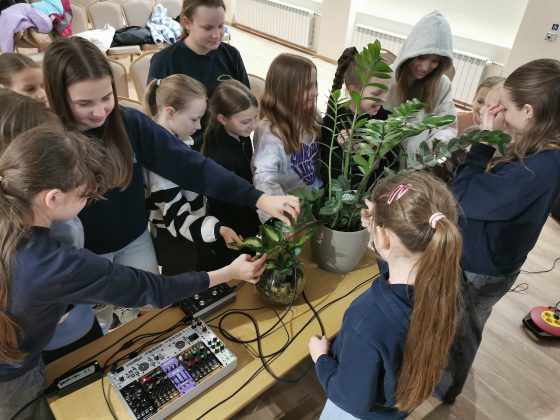
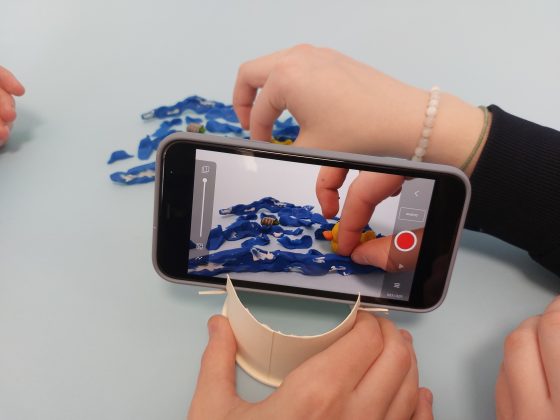
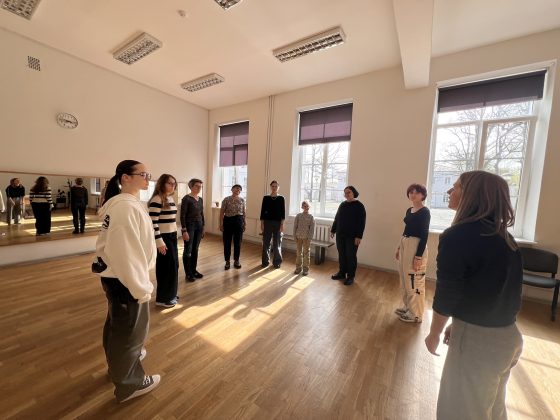
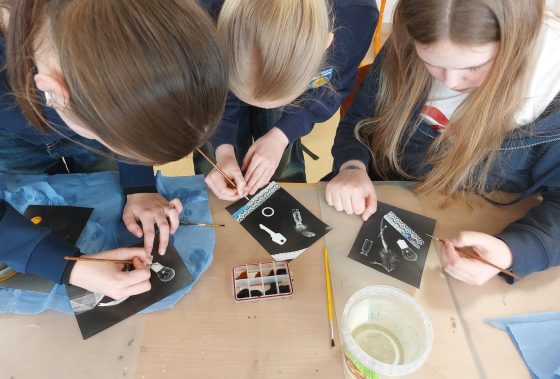
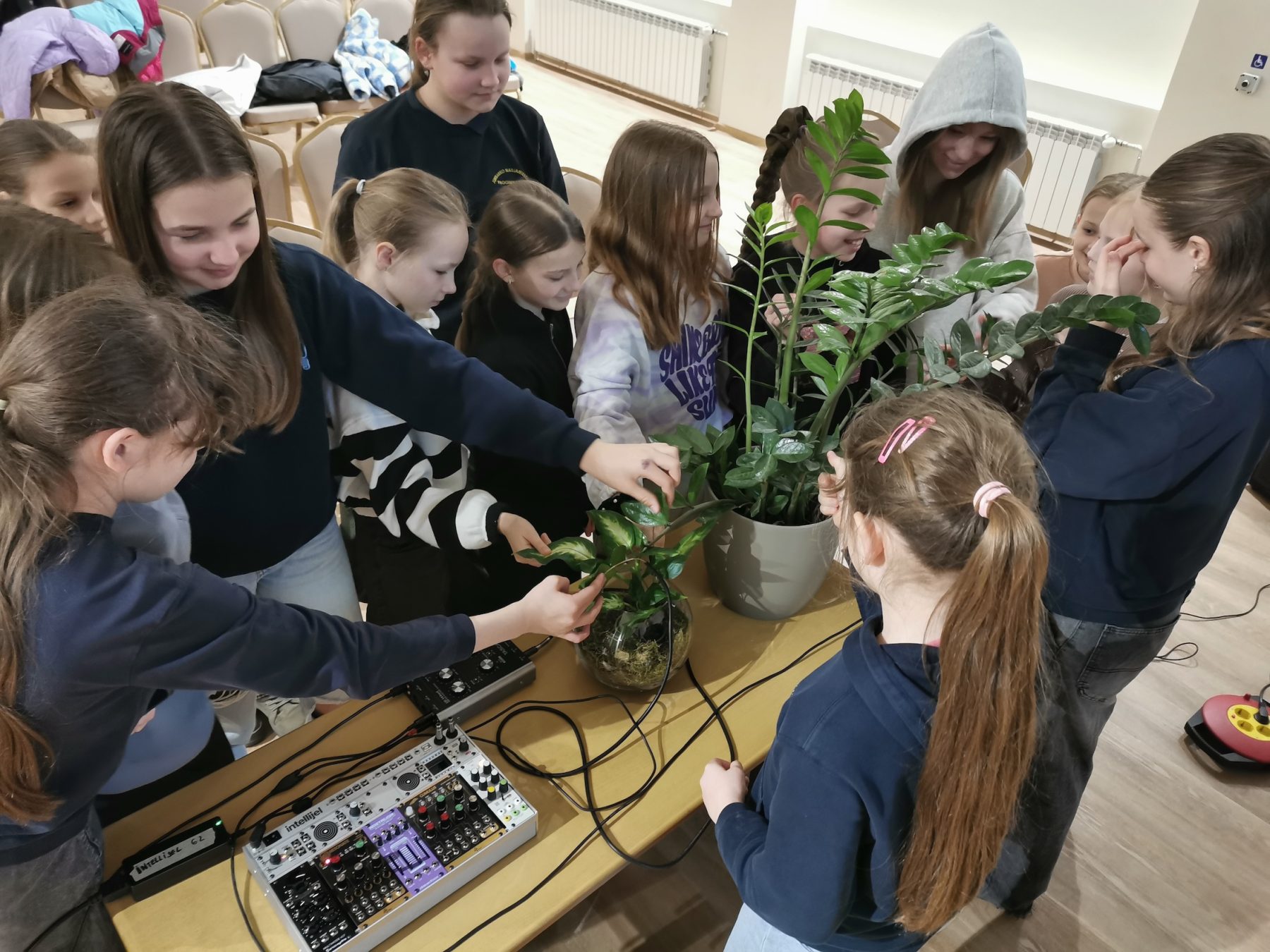
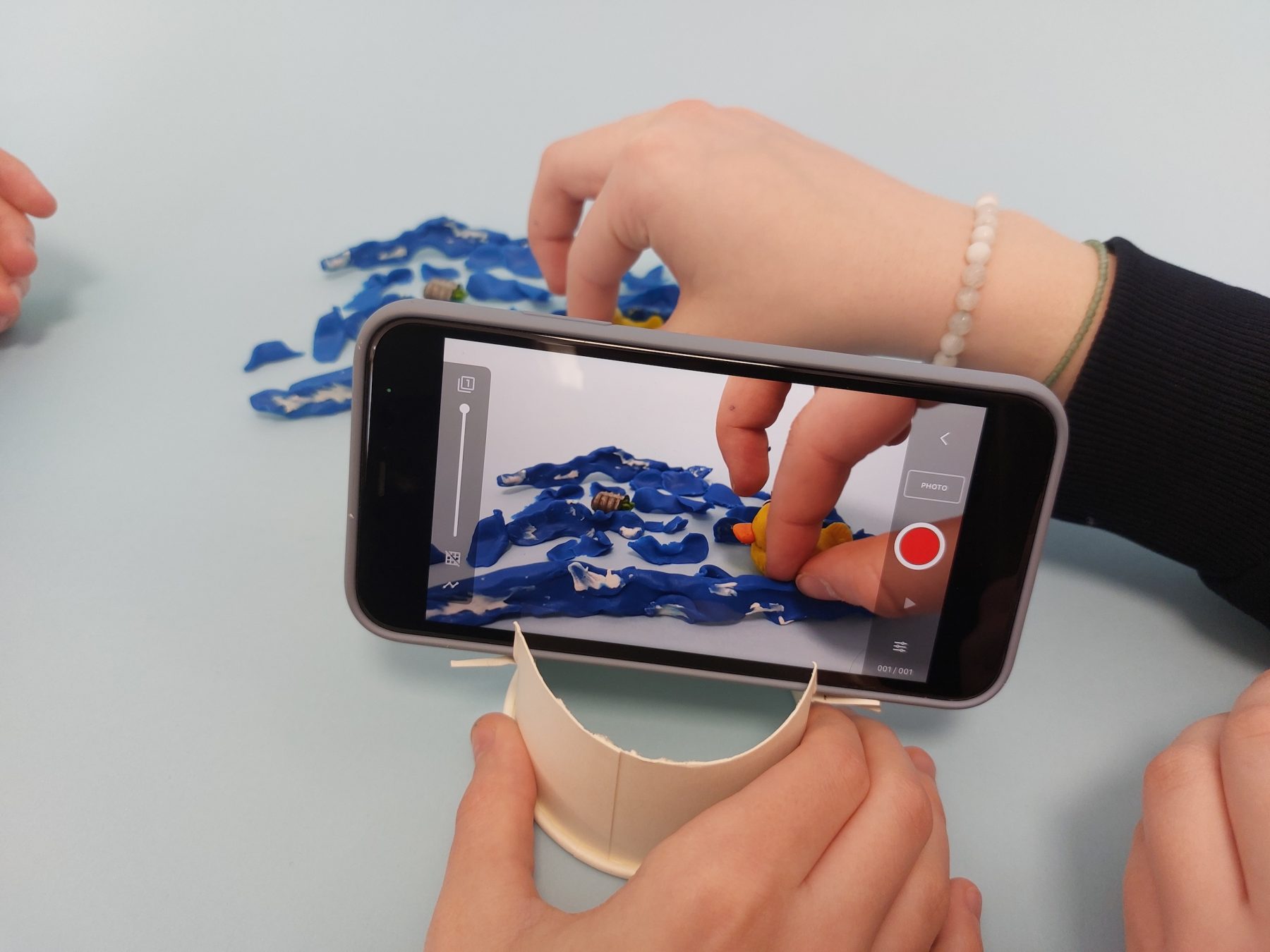
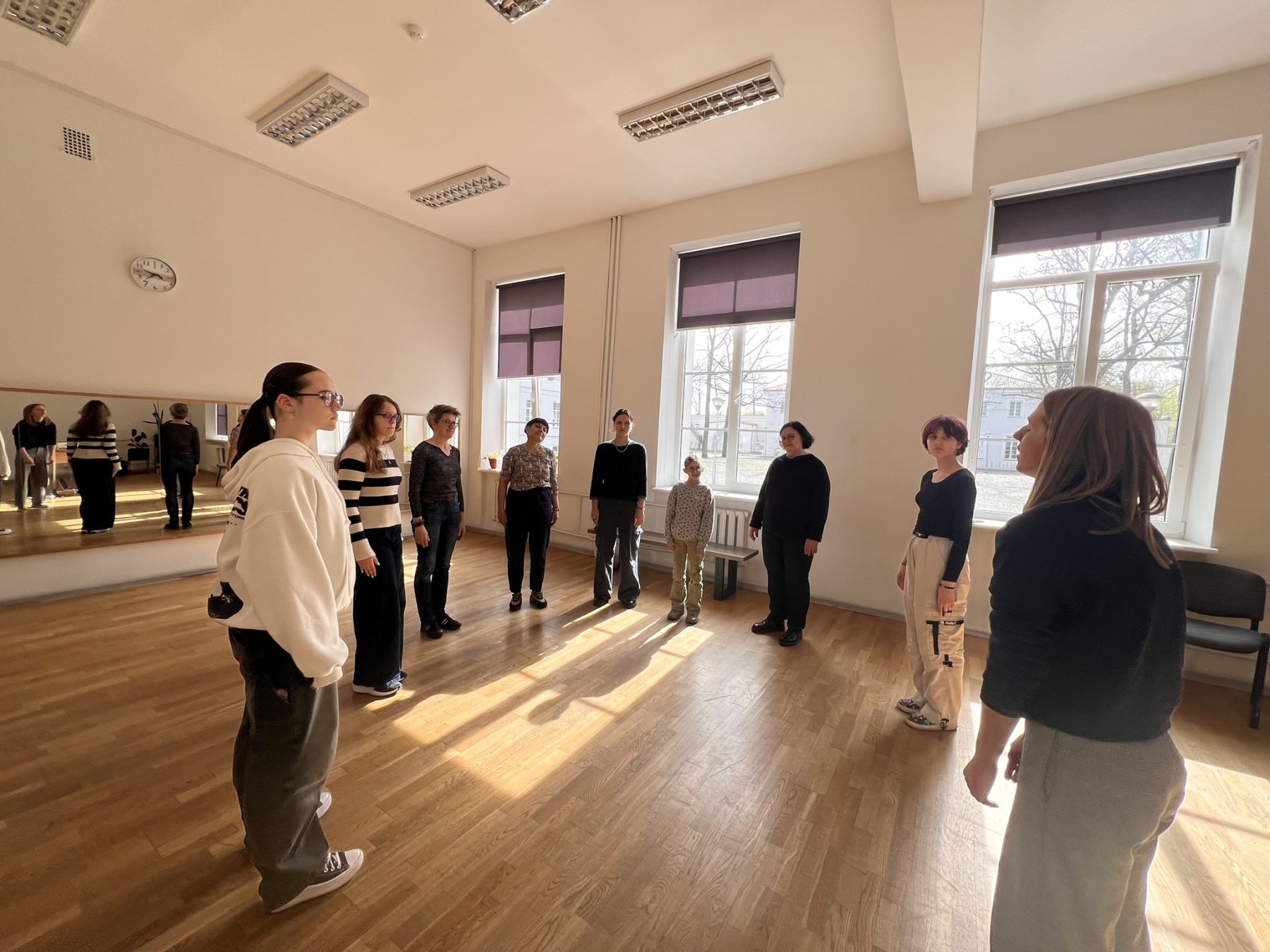
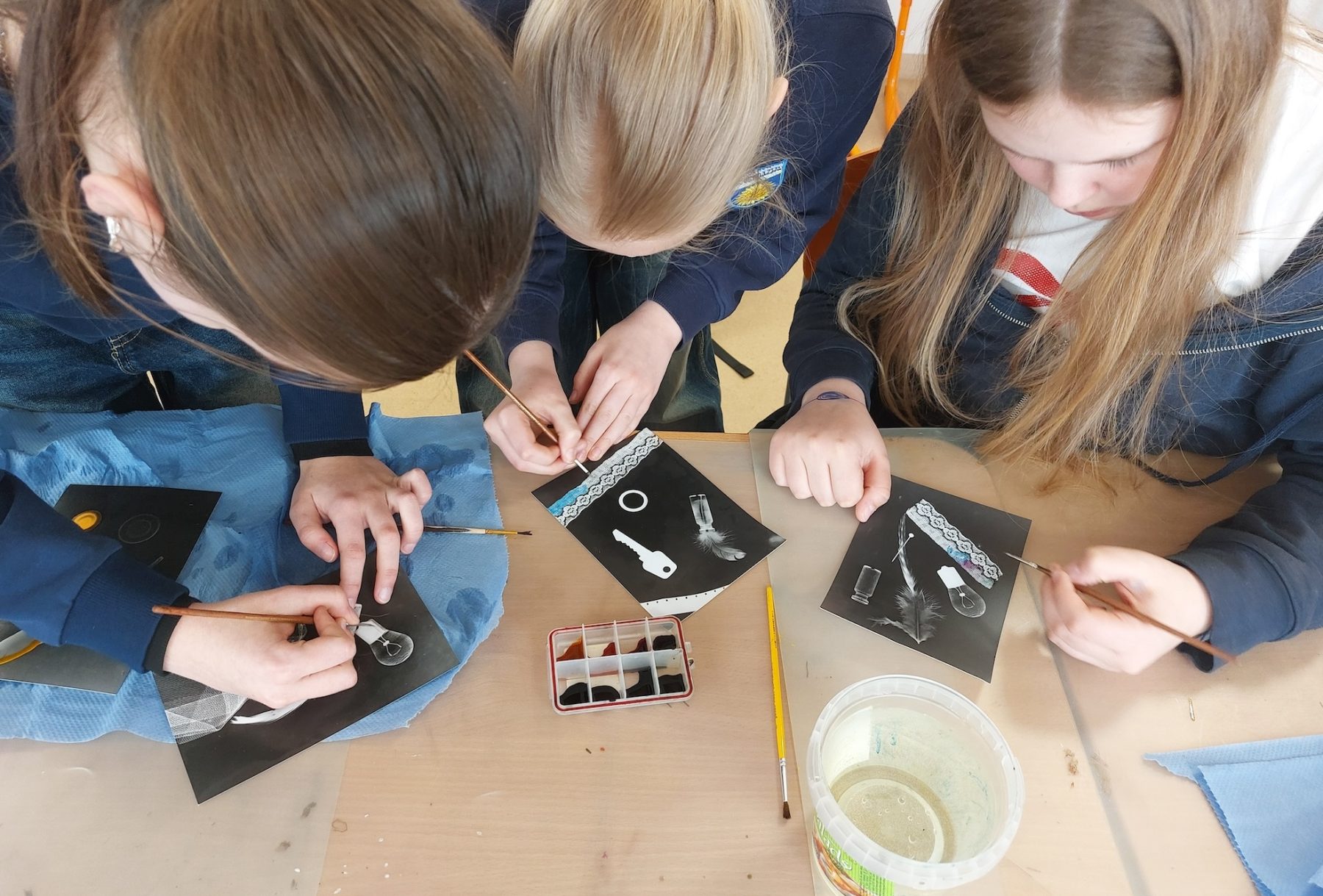
Marija Šnipaite’s work often explores everyday rituals, and her installations are constructed using found objects, transforming ordinary phenomena into compelling atmospheric narratives. During the workshops, she worked with participants on spatial compositions, objects, and their relationship with the environment. Combining ready-mades with constructed sculptures, participants created storytelling projects based on a chaotic web of associations, which later evolved into short, animated films.Photo artist and master of old analogue photography Gintas Kavoliūnas introduced participants the traditional photographic techniques. He encouraged students to explore the use of ready-mades within photography, developing narratives and analyzing themes of archives in contemporary sculpture. Graphic artist Paulė Vaitkutė intriduced participants to accessible printmaking methods, such as woodcut and monotype. Using found objects and abstract figures on woodblocks, each participant created individual stories by printing images on to paper and assembling them into small object books. This exercise enhanced imagination, encouraged personal storytelling and reflection, and fostered creative exploration of their environment. Performance artist of the young generation, Saulė Noreikaitė introduced the participants to the basics of performance art and together created an individual and collective performance. The activity was aimed at unleashing the participants’ creativity and thinking through movement, using their bodies and the objects they have brought, thus expressing the emotions associated with them. Vygintas Orlovas is a well-known Lithuanian interdisciplinary artist who works with sound and video synaesthesia, creating sound and video performances. During the education, students were introduced to different types of sound recording techniques, which were used to create a collaborative sound installation. The artist invited participants to think about the environment and its objects through sound. The relationship between visual art and music was highlighted during the workshop.
The project is funded by the Lithuanian Council for Culture.